AZE Systems improves restaurants and
hotels performance through operational
management and system design.
OUR SERVICES
Outsourced Operational leadership.
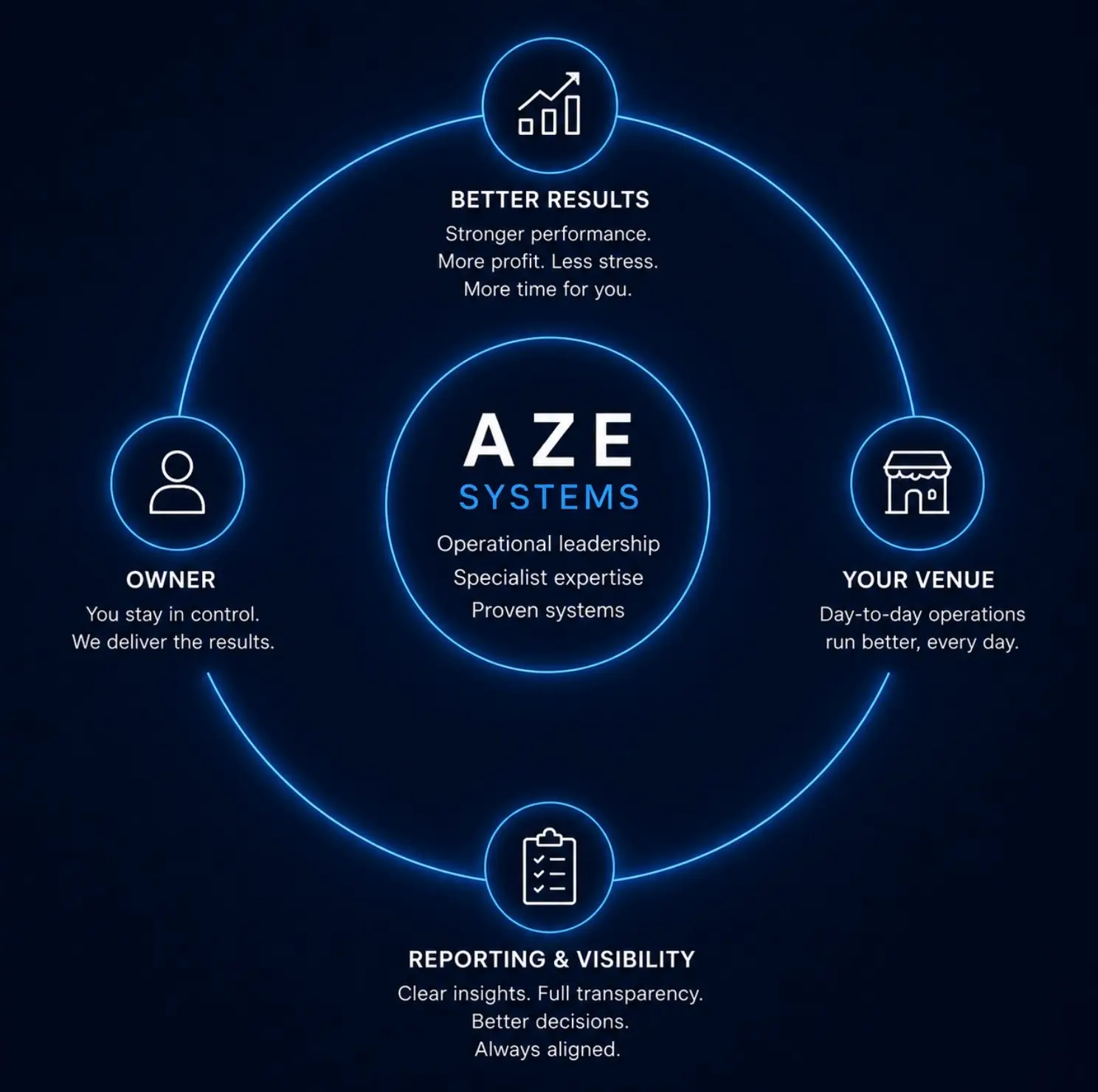
We replace the need for a full-time General Manager with a structured operational leadership system, supported by specialists, data and the Zephlog™ Framework.
90-Day Operational Transformation.
A focused intervention to identify issues, redesign operations and implement sustainable systems that drive long-term performance.
WHY AZE MANAGING IS DIFFERENT
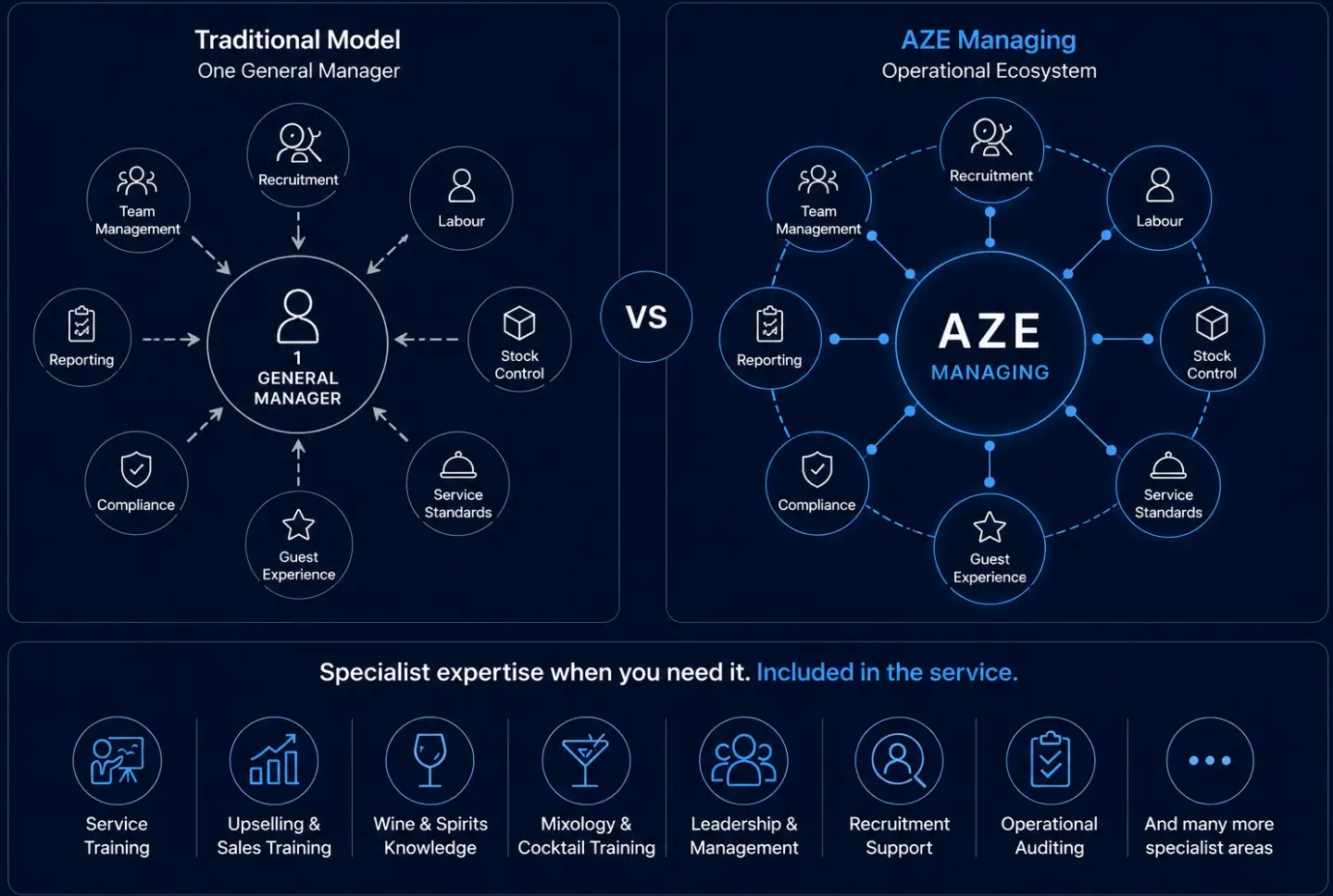
A General Manager shouldn't have to carry the entire operational burden.
AZE provides an entire team of specialists, systems and operational support — all included within one monthly fee.
OUR PROPRIETARY FRAMEWORK
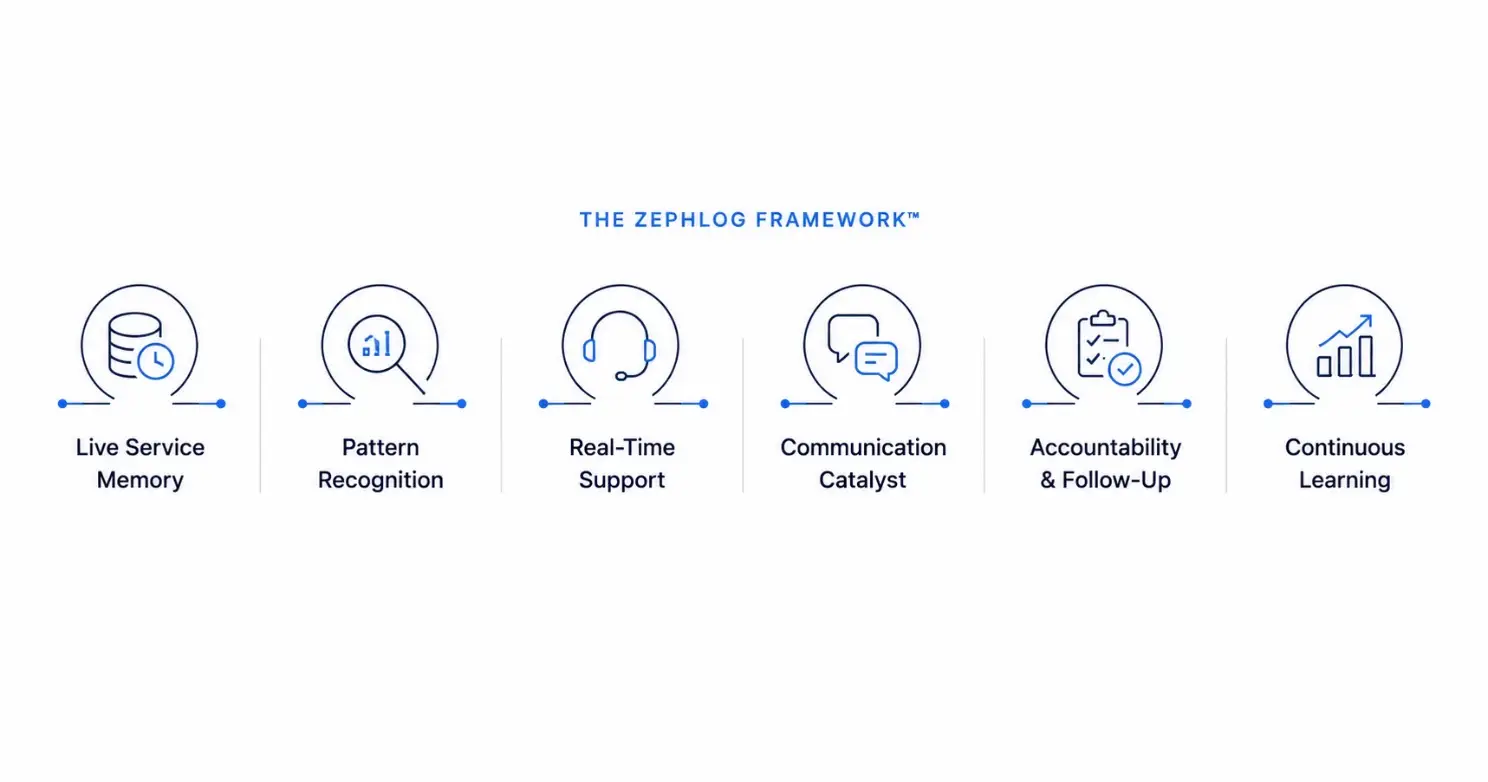
The Zephlog™ Framework is our proprietary operational methodology used across AZE Managing and AZE Reset.
Z brings together visibility, accountability, analytics and continuous improvement to help hospitality businesses operate at their best.
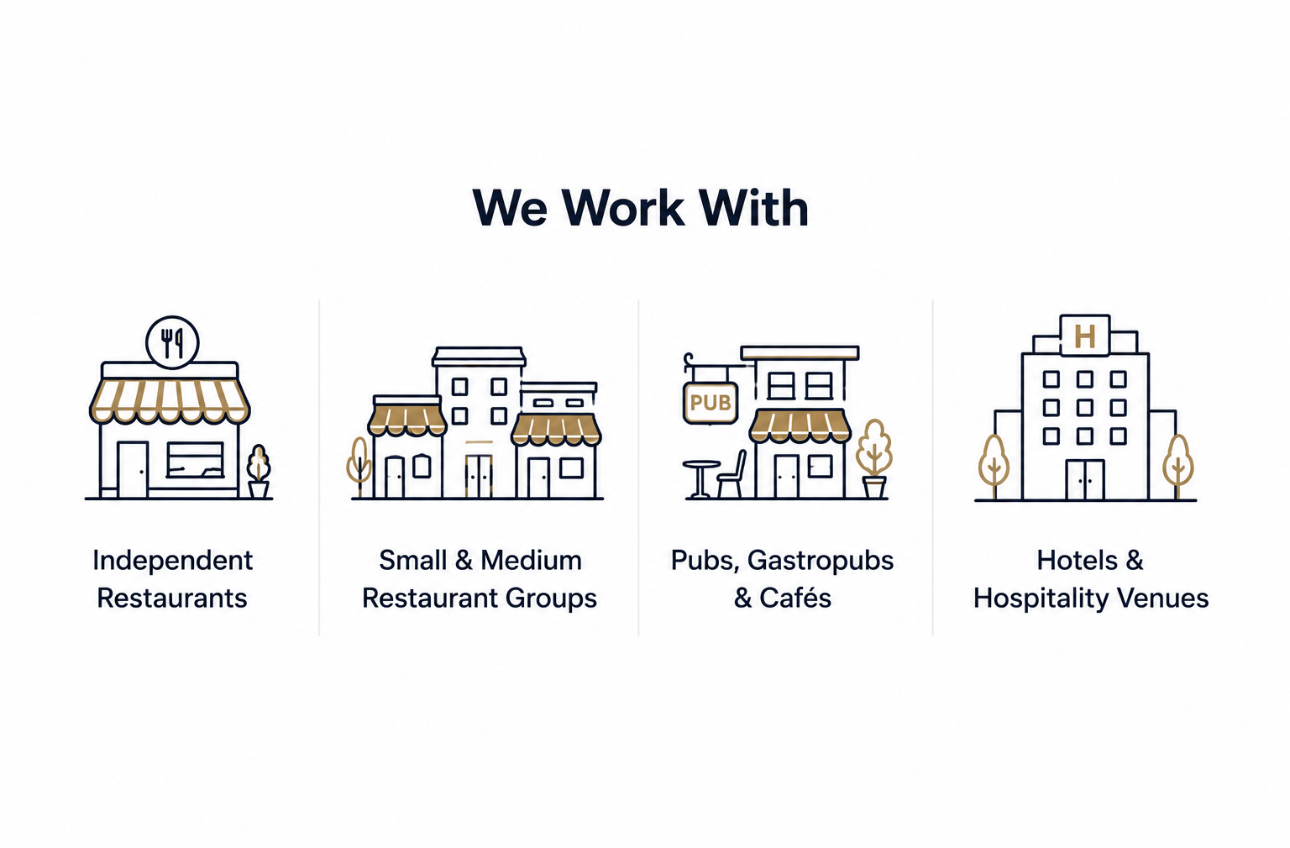
Whether you need operational leadership or a complete operational reset, AZE Systems helps hospitality businesses build stronger, more profitable operations.
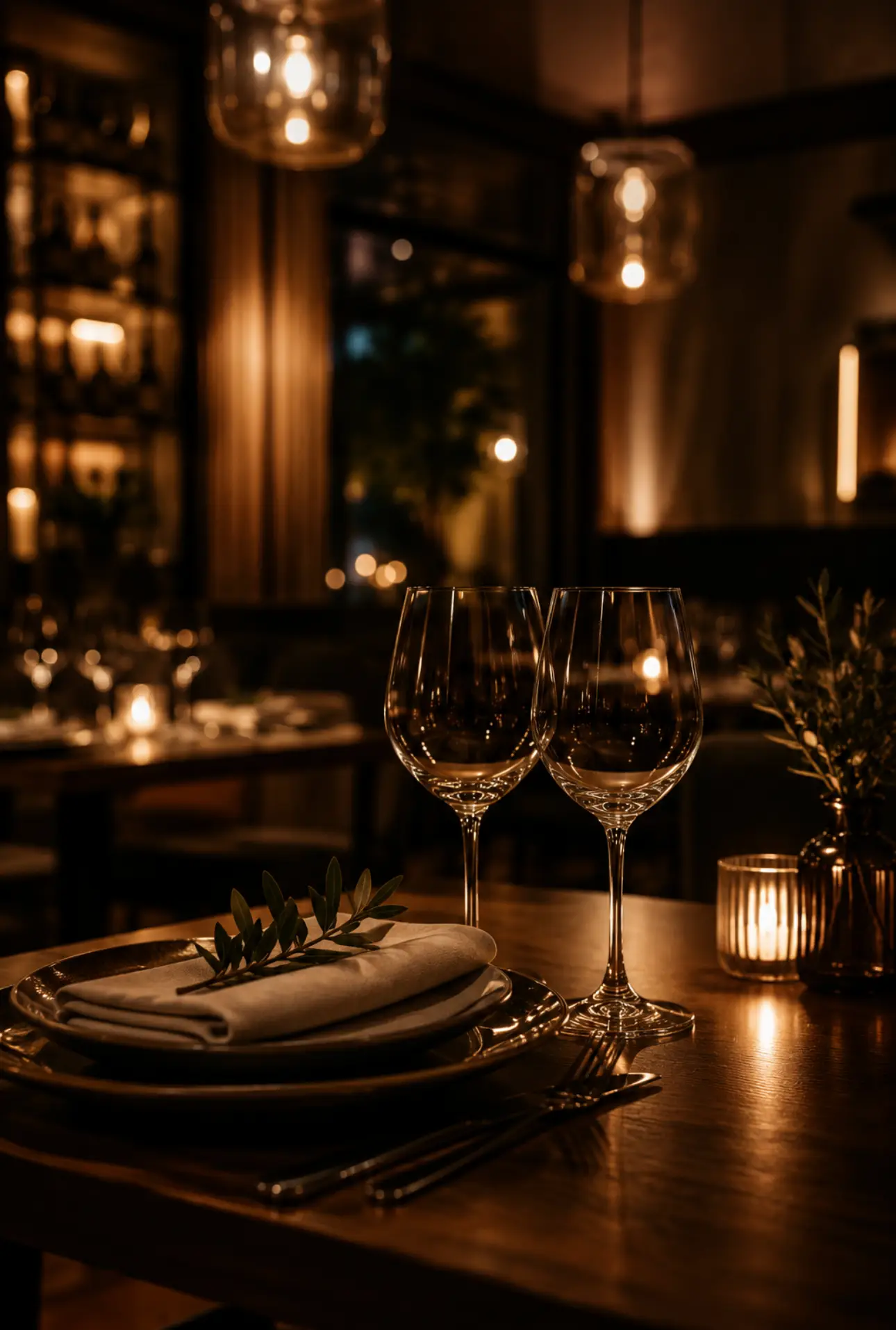
Zephlog supports management both during live service and ouside of it.
One communication channel focuses on the operational side of the GM role: compliance, rota structure, P&L awareness, orders check, staffing doubts, coordination, priorities, and day-to-day operational decisions.
Another can support the person leading the floor during service in real time.
The goal is not to add another tool managers need to constanly check.
The goal is to reduce cognitive overload and help operations stay alogned while service is happening.
A digital operational assistant built to support the people making decisions — not distract them from service.
Zephlog is not built only for live moments.
It is designed to improve operations over time through consistency, reflection, and recurring operational insights.
Every week, patterns collected across shifts help generate practical observations around coordination, communication, timing, workload distribution, and operational friction.
Not generic consultancy reports.
Real operational feedback built from what is actually happening inside the restaurant.
The objective is simple:
Less chaos.
Better alignment.
Stronger operations over time.
At the start of the day, Zephlog provides a focused operational digest based on recent patterns, ongoing friction points, shift structure, and live context from the restaurant.
Not long reports.
Not dashboards full of graphs.
Just clear operational priorities for the next service.
Simple. Actionable. Useful.
The goal is to reduce noise, improve coordination, and support managers focus attention where it matters most before pressure builds during service.
Z doesn't just collect information.
It looks for what repeats, what impact service, and what creates operational friction.
By combining live support conversations, voice notes, and end-of-day logs, Zephlog starts identifying recurring patterns across shifts.
Not just what happened.
But why it keeps happening.
This allows managers to move from reacting to problems — to recognizing them earlier and operating with more clarity over time.
Real time operational support during service.
Zephlog currently works through direct interaction between ZOPs (Zephlog Operators), internal operational back-end systems, and a lightweight WhatsApp interface.
One channel supports the GM as a digital assistant.
Another supports the person in charge on the floor during live service.
The goal right now is not visual complexity.
The goal is operational impact.
This manual-first structure allows Zephlog to support real restaurants today while the future app and AI infrastructure are being built.
Operational signals are the small indicators that usually appear before operational friction becomes visible.
Right now, Zephlog captures operational signals through real time operational reporting shared directly by managers during service.
When something relevant happens on the floor, managers can quickly send voice notes describing pressure points, guest flow, delays, communication issues or unusual operational dynamics as service unfolds.
Inside the same channel, they can also request live operational support and receive direct responses from ZOPs (Zephlog Operators) in real time.
At the end of the day, a 3 minutes daily logs helps compare live operational perception with the overall service outcome and recurring patterns.
The objective is not surveillance.
The objective is operational awareness before small issues become larger operational problems.